Fencing Retro Vintage Svg File Review
As someone who has spent years stitching custom apparel and reviewing digital assets for small businesses, I approach every new design file with a mix of excitement and skepticism. You never know if a graphic will translate well from a screen to the needle until it hits the fabric. Recently, I evaluated the Fencing Retro Vintage Svg File with the intention of using it in a real-world client project. My goal was to see if this design could stand up to the rigors of machine embroidery or if it would remain a pretty picture that only looks good on a monitor.
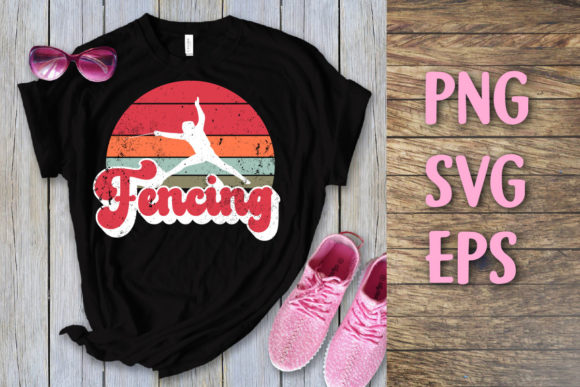
The first impression of the Fencing Retro Vintage Svg File is one of nostalgic energy. The aesthetic leans heavily into a retro vibe, capturing the spirit of classic sports memorabilia without feeling dated. For an embroidery designer, the initial visual appeal is crucial because it sets the tone for the finished product. This design feels like it belongs on a heavy cotton sweatshirt or a sturdy canvas tote bag rather than a delicate piece of silk. The layout suggests movement and action, which translates well into stitch patterns that need to convey dynamism.
Real-World Application: From Screen to Stitch
To truly test the viability of this design, I imagined a specific scenario: creating a limited run of embroidered patches and tote bags for a local fencing club's anniversary event. The client wanted something that honored the history of the sport while appealing to younger members. The Fencing Retro Vintage Svg File seemed perfect for this narrative. However, the transition from vector graphics to stitched thread requires careful consideration.
In a practical setting, the design performs admirably as a statement piece on larger garments. When applied to a standard hoodie or a thick apron, the vintage elements pop against the background fabric. The contrast between the bold shapes and the implied stitching creates a sense of depth that makes the final product feel premium. For an Etsy seller or a boutique owner, this level of detail adds significant value to the item. Customers can visually "feel" the quality of the work before they even touch the fabric, which builds trust and justifies a higher price point.
I also considered how this design would function as a personalized gift. Imagine a custom embroidered cap for a young fencer's graduation. The retro style offers a timeless look that wouldn't clash with modern athletic wear. The design's versatility extends beyond clothing; it could easily be adapted for kitchen towels or pillow covers for a home decor line. The key here is the adaptability of the theme. It works equally well for commercial merchandise, such as shop branding, and for personal projects like holiday gifts.
Navigating Technical Challenges
No design is without its pitfalls, and understanding where the Fencing Retro Vintage Svg File might struggle is just as important as knowing where it shines. One of the primary concerns with any detailed graphic is the issue of hoop size and fabric texture. If you attempt to stitch this design onto a very small surface area, such as a baby onesie or a narrow hat band, you may find that the details become muddy. Fine lines that look crisp in a digital mockup can sometimes disappear or merge when converted into stitches.
Furthermore, the choice of fabric plays a massive role in the outcome. While the design holds up well on stable materials like denim or twill, stretchy fabrics require extra caution. Without proper stabilizer support, the tension of the embroidery threads could cause the fabric to pucker, distorting the retro shapes. Similarly, textured fabrics like bouclé or rough linen can hide the intricate details of the design. In these cases, the design might lose some of its visual impact, making it less effective for high-end presentation.
Dark fabrics present another variable. If you are planning to use this design on black or navy material, the thread color selection becomes critical. A light-colored outline or fill might not provide enough contrast, causing the design to blend into the background. Conversely, using dark threads on a light background requires precise density settings to ensure the design doesn't look flat or overwhelming. Testing different thread colors is essential before committing to a full production run.
Design Integrity and Professional Presentation
For craft business owners and designers, the integrity of the design affects the perception of their brand. A sloppy stitch job or a design that fails to render correctly can damage customer confidence. The Fencing Retro Vintage Svg File generally supports a professional finish, provided the operator pays attention to stitch density and layering. The balance between satin stitches for outlines and fill stitches for the main body helps maintain the structural integrity of the image.
When used correctly, the design enhances the perceived value of the finished product. It transforms a basic item into a collectible piece of art. This is particularly true for items like embroidered patches or phone cases, where the design serves as the focal point. The retro aesthetic evokes a sense of authenticity and history, which resonates well with buyers looking for unique, handmade goods. It allows sellers to position their products as more than just mass-produced items; they become stories stitched into fabric.
However, there are areas where caution is advised. Highly detailed corners or tiny lettering within the design should be scrutinized closely. On curved surfaces like caps, the distortion caused by the curvature can elongate or compress certain parts of the graphic. It is wise to create a physical mockup or print a template to visualize how the design will wrap around the object. Additionally, for products that require frequent washing, such as team jerseys or daily-use aprons, the durability of the stitches must be verified. Dense stitch areas can sometimes trap lint or wear down faster if the thread tension is not optimized.
Practical Notes for the Embroidery Designer
If you are considering adding the Fencing Retro Vintage Svg File to your library of design assets, there are several steps you should take before starting your next project. First and foremost, always test the design on scrap fabric that matches your intended project material. This simple step can reveal issues with puckering, thread breaks, or detail loss that you might miss on a computer screen.
Review the stitch density carefully. If the design includes large fill areas, ensure that the spacing allows for proper thread coverage without becoming too stiff or difficult to press. Check the hoop size requirements to ensure the design fits comfortably within your machine's capabilities. If you are working with multiple layers of fabric or decorative accents, plan your stitching order to avoid tangling or misalignment.
Don't forget to inspect small details under magnification. What looks like a clean line in a preview might appear jagged once stitched. Comparing light and dark fabric backgrounds in a mockup can also help you decide on the best thread palette. Finally, confirm the licensing terms regarding commercial use. Whether you are selling finished products or offering digital downloads, understanding the rights associated with the file is vital for protecting your business.
In conclusion, the Fencing Retro Vintage Svg File is a strong candidate for a variety of embroidery projects, from custom apparel to boutique merchandise. Its retro charm and dynamic composition make it a versatile tool for designers looking to add character to their work. By paying attention to fabric choices, stabilization techniques, and testing procedures, you can ensure that the final product meets the high standards expected by today's discerning customers. For those willing to put in the preparation time, this design offers a rewarding path to creating memorable, high-quality handmade items.