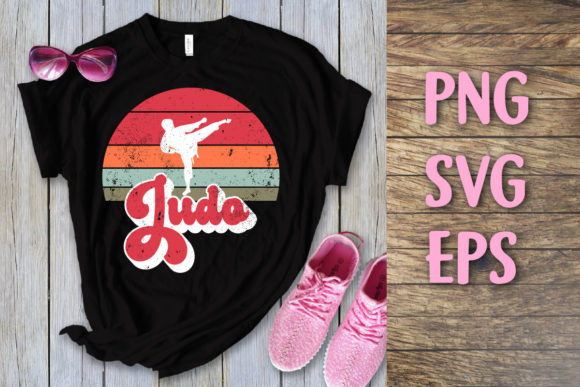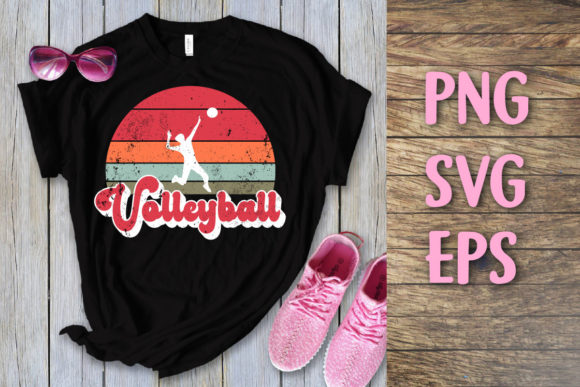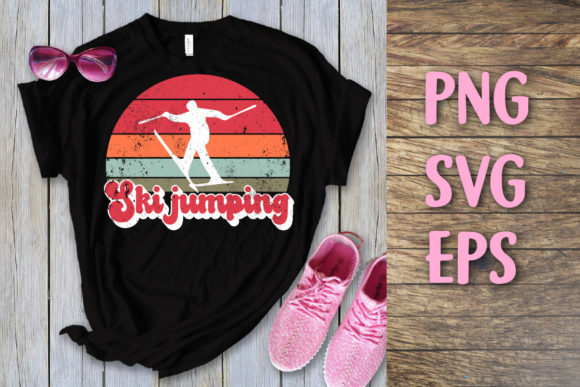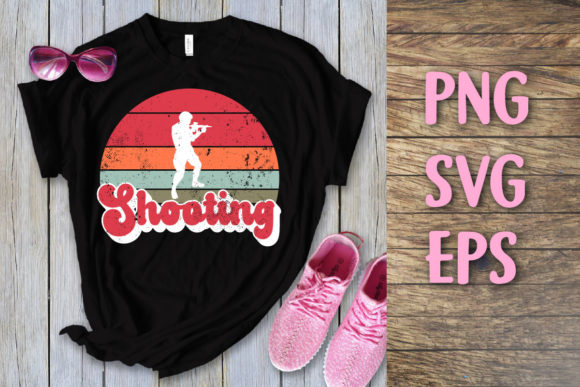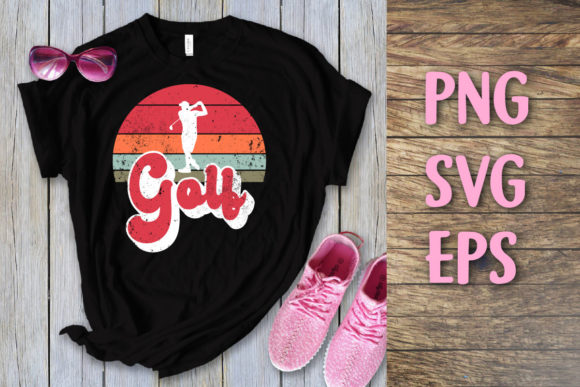
Golf Retro Vintage Svg File T-shirt Review
When I first opened the Golf Retro Vintage Svg File T-shirt to test it in my studio, I didn't just see a graphic; I saw a story waiting to be stitched. As someone who has spent years refining embroidery files for client projects and boutique collections, my initial reaction was one of cautious optimism. The retro aesthetic is currently dominating the craft market, but not every vintage-inspired design translates well from a screen to a needle and thread. This file promises versatility, claiming readiness for everything from t-shirts to mugs, but the real question for any serious embroiderer is how it holds up under the pressure of actual machine work.
The mood this design creates is immediately nostalgic. It evokes the feeling of a dusty garage sale find or a classic club house sign from the 1970s. For a designer looking to build a brand around heritage sports or leisure activities, this visual personality is gold. However, before you commit to using Golf Retro Vintage Svg File T-shirt in your next commercial order, you need to understand its practical limitations and strengths. Let's walk through exactly how this design behaves when it moves from digital asset to finished product.
Real-World Application: From Screen to Stitch
I recently tested this file on a custom embroidered tote bag project intended for a local golf club fundraiser. The goal was to create a durable, stylish accessory that wouldn't feel stiff or overly heavy. The layout of the Golf Retro Vintage Svg File T-shirt works surprisingly well on canvas materials. Because the design relies on bold shapes rather than intricate micro-details, it maintains its integrity even on textured fabrics like heavy cotton twill.
However, if you plan to use this as an embroidery file for small items like baby clothes or aprons, you must be strategic. The vintage theme fits perfectly with nursery decor or personalized gifts for new parents who love the game. Yet, the scale is crucial. On a onesie, the design might overwhelm the garment unless digitized specifically for a smaller hoop size. In contrast, on a sweatshirt or a large pillow cover, the same design commands attention without feeling lost. The key here is understanding that while the file is "print ready," true embroidery success depends on how you adapt the stitch density and hoop size to the specific fabric texture you are working with.
I also ran a quick simulation for a holiday gift scenario. Imagine a set of kitchen towels featuring this motif for a golfer's Christmas present. The retro vibe pairs beautifully with earth tones or muted pastels. But if you choose bright, saturated thread colors, the vintage look can sometimes clash, turning a classy piece into something that looks too modern. You have to carefully select your thread colors to honor the original artistic intent. If the design features lettering, check the spacing closely; tiny text often gets lost in the stitching process, especially on stretchy knits.
Where to Be Cautious
Not every surface is created equal, and Golf Retro Vintage Svg File T-shirt has its boundaries. While the description suggests it can be used for cut machines and vinyl decals, embroidery requires a different approach. If you attempt to stitch this on thin, sheer fabrics, the stabilizer requirements become critical. Without proper backing, the tension could pucker the material, ruining the clean lines of the retro graphics.
Curved surfaces like caps present another challenge. While many designers love to put logos on hats, complex vintage designs with multiple layers can distort when pulled over the curve of a cap. The corners of the design might not lay flat, leading to a lumpy finish that reduces the perceived value of the item. Similarly, if you are planning to sell these as commercial embroidery pieces for high-end boutiques, avoid using this file on dark fabrics without a robust underlay strategy. Dark backgrounds often swallow up lighter threads, making the details of the vintage pattern disappear.
There is also the issue of wash durability. If you intend to create products that will undergo frequent washing, such as sportswear or daily-use tote bags, ensure the stitch density is sufficient to prevent fraying. Designs that rely heavily on long running stitches might snag easily if the underlying structure isn't reinforced. Always test the design on scrap fabric first to gauge how the threads interact with the weave of your chosen material.
Visual Appeal and Customer Trust
In the world of handmade products, presentation is everything. A well-executed design builds trust instantly. When a customer sees a crisp, professional-looking finished product, they assume the entire business operates with that same level of care. The Golf Retro Vintage Svg File T-shirt has the potential to elevate a simple t-shirt into a statement piece, provided the execution is flawless. The retro style appeals to a demographic that values authenticity and craftsmanship, which aligns perfectly with the ethos of Etsy sellers and small shop owners.
For digital product sellers creating printable mockups, this design offers excellent versatility. It allows you to showcase your brand consistency across various items, from phone cases to book covers. However, remember that a digital preview does not always translate to physical reality. What looks sharp on a monitor might lose definition in satin stitch. To maintain high standards, inspect small details like curves and intersections before finalizing your production run. If the design feels cluttered in black and white mockups, it will likely feel cluttered in color once stitched.
Ultimately, the decision to use this file comes down to your specific project goals. If you are creating a batch of custom apparel for a corporate event or a seasonal collection for a craft fair, this design offers a strong thematic anchor. But if you are aiming for ultra-fine detail work on delicate silks, you might want to look for a design with less dense fill areas. The design assets you choose define the quality of your output, so treat every selection with the same scrutiny you would apply to selecting fabric.
Practical Designer Notes for Success
Before you load this file into your machine, take a moment to review the technical specifications. Since exact stitch counts and file formats were not explicitly detailed in the product listing, you must verify compatibility with your specific embroidery software. Confirm whether the design includes necessary trims and jumps for automated production. If you are selling finished items commercially, double-check the licensing terms to ensure you have the right to resell the products made from this digital embroidery file.
Here is a checklist I recommend for anyone preparing to use Golf Retro Vintage Svg File T-shirt:
- Test on Scrap: Always run a test stitch on a leftover piece of the same fabric to check for puckering or thread breaks.
- Check Contrast: Ensure your chosen thread colors provide enough contrast against the background fabric, especially for fine lines.
- Hoop Size Verification: Confirm that the design fits comfortably within your standard hoop sizes without requiring awkward re-hooping.
- Stabilizer Selection: Match the stabilizer type (cut-away vs. tear-away) to the weight and stretch of your fabric.
- Licensing Check: Verify if the license allows for commercial use and how many finished items you are permitted to sell.
By approaching the Golf Retro Vintage Svg File T-shirt with a critical eye and a focus on technical precision, you can turn a simple graphic into a standout piece of custom apparel. Whether you are decorating a holiday gift, launching a new line of tote bag designs, or updating your Etsy listings, this file offers a solid foundation for creative expression. Just remember that the magic happens in the details—the difference between a good product and a great one lies in how well you prepare and execute the design.