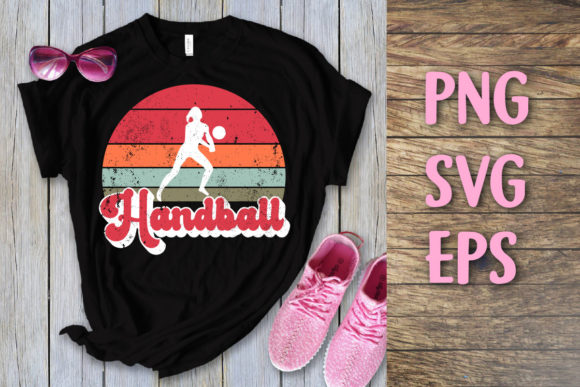
Handball Retro Vintage Svg File: A Designer's Review
As someone who has spent years navigating the intricate world of machine embroidery, I often find myself sifting through digital assets that promise versatility but deliver inconsistency. Today, I am putting Handball Retro Vintage Svg File under the microscope. This isn't just about whether a file is "print ready" or if it fits into a generic category like T-Shirt Designs; it is about how this specific design behaves when it moves from a computer screen to a needle and thread on actual fabric.
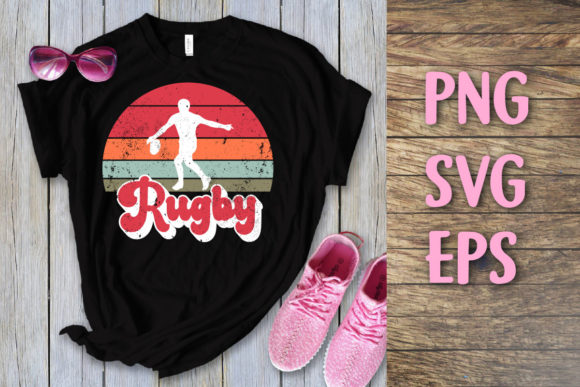
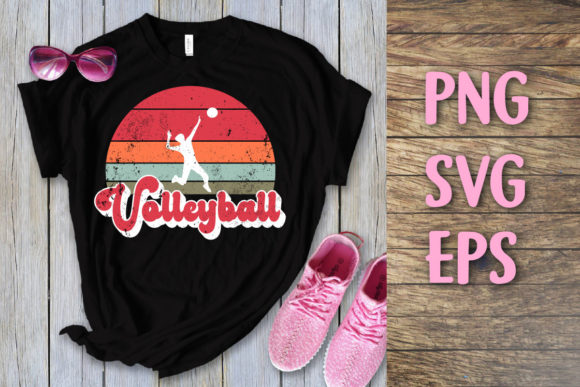
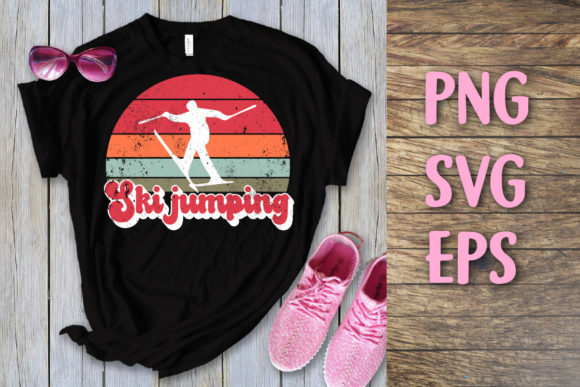
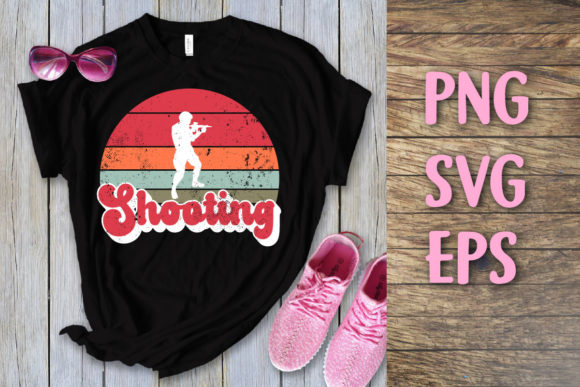
The first thing you notice with Handball Retro Vintage Svg File is its nostalgic mood. It carries the weight of classic sports memorabilia without feeling cluttered or dated in a negative way. The retro aesthetic suggests a design that belongs in a boutique setting, a craft fair booth, or a personalized gift for a dedicated athlete. Unlike modern, hyper-detailed vector art that can sometimes get lost in stitching, this design feels grounded. It promises a visual personality that speaks to hobbyists and professional decorators alike.
From Screen to Stitch: Real-World Application
Let me take you through a scenario I encounter frequently in my own workflow. Imagine you are preparing for a holiday season rush. You have a client who wants a custom embroidered tote bag for their local handball club's end-of-year party. They need something that looks professional but also has that handmade charm that mass-produced items lack. This is where Handball Retro Vintage Svg File enters the conversation.
When I imported the design file into my digitizing software to test its viability, the layout felt balanced. The shape of the design allows it to sit comfortably on the front pocket of a sweatshirt or centered on a canvas tote bag. However, the true test is how the stitches translate. In a real-life application, the retro style relies heavily on clean lines and bold shapes. If the stitch density is too high, the fabric might pucker; if it is too low, the texture will look flat and unprofessional.
I envision this design being used for more than just apparel. Picture a set of matching aprons for a kitchen workshop or decorative pillow covers for a nursery. The vintage theme works exceptionally well for baby embroidery projects because it avoids overly childish graphics while maintaining a playful spirit. For an Etsy seller, this could be the cornerstone of a new product line featuring small shop products that appeal to parents looking for unique gifts.
Navigating Fabric and Texture Challenges
While the design is versatile, it is not without its challenges. Embroidery is a tactile medium, and the interaction between the thread and the fabric is critical. When considering where to use Handball Retro Vintage Svg File, you must be cautious with textured fabrics. Heavy waffle knits or boucle materials can obscure the finer details of the retro artwork, turning a crisp design into a muddy blob.
Similarly, stretchy fabrics require careful handling. If you attempt to stitch this onto a thin, stretchy jersey material without proper stabilization, the hoop marks may remain visible, and the design could distort as the fabric stretches over time. This is particularly important for custom apparel like fitted t-shirts or athletic wear. For these applications, using a tear-away stabilizer or a cut-away backing is essential to maintain the integrity of the embroidery project.
Dark fabrics present another layer of complexity. While the design itself does not specify color requirements, a retro vintage look often relies on contrast. If you are working with dark cotton or polyester blends, you will need to ensure your thread colors provide enough pop against the background. A light-colored outline or a contrasting fill stitch can make all the difference in making the Handball Retro Vintage Svg File stand out rather than blending into the garment.
Design Details and Professional Standards
In the world of commercial embroidery, every detail counts. The Handball Retro Vintage Svg File includes elements that could serve as decorative accents or focal points. However, designers must inspect small details closely before committing to a full production run. Tiny lettering or intricate corners can sometimes be lost if the stitch count is not optimized correctly.
If you are planning to create an embroidered patch, the stability of the design becomes paramount. Patches undergo significant stress during application and wear. You need to verify that the satin stitch edges are dense enough to prevent fraying but not so dense that they become stiff and uncomfortable. For a finished product to maintain customer trust, the backside of the embroidery should be as neat as the front. This level of professionalism is what separates a hobbyist's work from a high-end boutique item.
For those selling digital embroidery files or creating printable mockups, the clarity of the original graphic is key. A design that looks great in a digital preview but fails to render well in physical form can damage your reputation as a creative entrepreneur. When reviewing Graphics for potential resale, always consider how the final output will look after washing. Frequent washing can cause thread to fade or shift, so choosing high-quality threads is just as important as selecting the right design file.
Practical Notes for the Embroidery Designer
Before you hit the start button on your machine, there are several steps you must take to ensure success. First, always test the design on scrap fabric that matches the texture and weight of your intended final product. This simple step can save you hours of rework and wasted materials.
- Check Thread Color Contrast: Ensure your chosen thread palette complements the retro vibe without clashing with the fabric.
- Review Stitch Density: Look at the fill areas to see if they are too heavy for the fabric type you are using.
- Confirm Hoop Size: Make sure the design fits within your machine's hoop capabilities, especially if you are working on curved surfaces like caps.
- Inspect Small Details: Zoom in on the vector to identify any tiny elements that might not stitch out clearly.
- Test in Black and White: Convert the design to grayscale to check the balance of light and dark areas before adding color.
Additionally, you must confirm the licensing terms associated with the file. Are you allowed to sell finished items created with Handball Retro Vintage Svg File? Does the license cover commercial embroidery projects, or is it restricted to personal use? These questions are vital for anyone running a craft business or an Etsy shop. Without clear permission, you risk legal issues down the line.
Final Thoughts on Visual Appeal and Value
Ultimately, the value of a design lies in its ability to elevate the finished product. Handball Retro Vintage Svg File has the potential to transform a plain tote bag or a basic sweatshirt into a statement piece. The retro theme resonates with buyers who appreciate nostalgia and craftsmanship. It adds a layer of storytelling to your handmade products, making them more than just functional items.
However, success depends on execution. Whether you are creating a personalized gift for a family member or producing merchandise for a small business, the quality of the embroidery reflects directly on your brand consistency. A poorly executed design can undermine even the best marketing efforts. By paying attention to stabilizer selection, thread choices, and fabric compatibility, you can ensure that the embroidery file delivers the high-quality result your customers expect.
In conclusion, this design is a strong contender for various applications, from holiday embroidery to everyday wear. It offers a blend of style and practicality that appeals to a wide audience. Just remember to approach each project with a critical eye, testing thoroughly and respecting the nuances of the medium. With the right care, Handball Retro Vintage Svg File can become a staple in your collection of design assets, helping you create memorable and professional-looking goods.