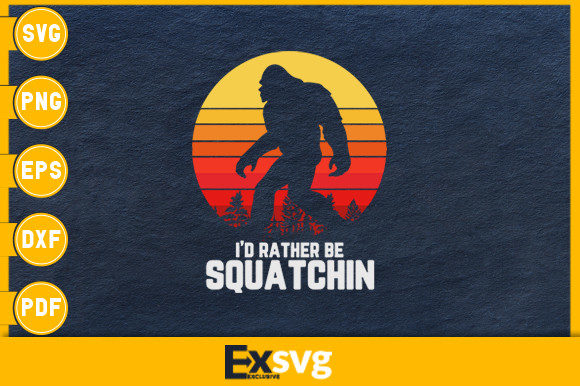
I'd Rather Be Squatchin Retro Bigfoot
When I first opened the file for I'd Rather Be Squatchin Retro Bigfoot, my initial reaction was a mix of nostalgia and practical curiosity. As someone who has spent years evaluating digital assets for real-world embroidery projects, I don't just look at how cool a design looks on a screen; I immediately start visualizing the thread tension, the fabric texture, and the final stitch density. This retro-themed graphic captures that specific vibe of outdoor adventure and cryptid lore with a distinct vintage flair. It feels like something you would find on a weathered t-shirt in a national park gift shop, but translated into a format ready for your machine.
The mood is undeniably playful yet grounded in a classic aesthetic. The layout suggests a design that balances text and imagery without feeling cluttered. For an embroidery designer, the first question is always: will this hold up under the needle? Does it have the necessary negative space to breathe, or will the stitches fight each other? From what I can see in the vector paths, I'd Rather Be Squatchin Retro Bigfoot possesses a solid structure. It avoids the trap of being too delicate for standard embroidery while retaining enough detail to make the character feel alive rather than blocky.
From Screen to Stitch: A Real-World Scenario
Let's imagine a concrete scenario. You are preparing for a local craft fair or perhaps fulfilling a rush order for an Etsy customer who wants a unique holiday gift. You decide to create a custom embroidered tote bag for a nature lover who loves hunting for Sasquatch. You pull out your heavy-duty canvas tote and load the I'd Rather Be Squatchin Retro Bigfoot file into your digitizing software.
The moment you place the hoop, the design fits perfectly. The retro style translates beautifully onto the textured surface of the canvas. Unlike some modern, hyper-detailed graphics that lose their soul when converted to thread, this design thrives in that medium. The bold lines suggest a satin stitch approach for the outlines, which gives the finished product a raised, professional finish. When you run the test stitch on scrap fabric, the thread colors pop against the dark background. The customer isn't just buying a bag; they are buying a conversation starter. They see the finished product and immediately recognize the humor and the quality. That level of recognition builds trust and encourages repeat business for small shop owners.
This same logic applies if you are working on baby clothes. Imagine a soft cotton onesie for a baby shower gift. The "Retro" aspect of I'd Rather Be Squatchin Retro Bigfoot makes it timeless rather than trendy. Parents love personalized gifts that have a bit of personality. If you execute this with high-quality thread and proper stabilizer, the design becomes a cherished keepsake. However, you must be mindful of the placement. On a baby item, you want to avoid stiff areas that might irritate the skin. The design should sit flat, relying on fill stitches that are dense enough to cover the fabric but not so thick that they create a hard lump.
Where Caution Is Key: Technical Considerations
While I'd Rather Be Squatchin Retro Bigfoot is versatile, no single design is a magic bullet for every situation. There are specific constraints where this design might struggle, and acknowledging them is part of being a responsible designer. First, consider the hoop size. If you are trying to fit this design into a very small 4x4 hoop, the lettering might become cramped. Embroidery requires room to move; if the text is too close to the edge of the image, the stitching may pull the fabric and distort the shape.
Texture is another critical factor. If you attempt to embroider this on a highly textured fabric like a heavy waffle-knit sweater or a loose-weave linen, the details could get lost. The needle might skip over the bumps, resulting in uneven coverage. Similarly, stretchy fabrics like jersey knits require careful handling. Without adequate tear-away or cut-away stabilizer, the motion of the machine could cause the design to pucker, ruining the retro aesthetic. In these cases, the clean lines of I'd Rather Be Squatchin Retro Bigfoot might suffer from distortion.
Dense stitch areas also need attention. If the original vector includes tiny, intricate details that rely on fine lines, converting those to embroidery threads can sometimes result in a muddy appearance. The human eye sees crisp lines on a monitor, but thread has thickness. What looks perfect in a PNG preview might turn into a blob of color when stitched densely. Always inspect the small details in your digitizing software before committing to a full production run. If the design relies on tiny corners or sharp points, ensure your machine settings account for the natural rounding that occurs during stitching.
Maximizing Visual Appeal and Product Value
The success of any embroidery project often hinges on the contrast between the thread and the fabric. With I'd Rather Be Squatchin Retro Bigfoot, you have the opportunity to play with color palettes that enhance the retro feel. Using heather grey or muted earth tones for the thread on a darker garment can evoke that vintage look even more strongly than bright neon colors. This attention to color choice elevates the perceived value of the handmade product. It signals to the buyer that you care about the details, which justifies a higher price point in your boutique or online store.
For commercial use, consistency is king. If you are selling custom apparel or creating merchandise for a brand, having a reliable design asset like this ensures that every item leaving your shop looks uniform. The embroidery file should maintain its integrity across different batches of fabric. This reliability fosters brand consistency and prevents the embarrassment of mismatched or poorly executed logos. When customers receive a package containing a sweatshirt or an apron with this design, the professionalism of the stitching speaks volumes about your business standards.
Practical Designer Notes for Success
Before you hit the "start" button on your machine, there are several steps you must take to ensure I'd Rather Be Squatchin Retro Bigfoot performs as intended. First and foremost, always test the design on scrap fabric. This simple step saves time, thread, and frustration. Check the thread color contrast carefully; a light thread on a light fabric will disappear, defeating the purpose of the design.
Review the stitch density in your software. If the design feels too heavy, consider adjusting the underlay stitches to provide better support without adding unnecessary bulk. Confirm your hoop size matches the dimensions of the design exactly. Inspect the small details to ensure they haven't been simplified too much during the conversion process. It is also wise to test the design in black and white mockups to verify that the composition works regardless of color.
Don't forget the stabilizer. The right stabilizer is the backbone of a successful machine embroidery design. For a design like this, which likely involves both text and graphical elements, a combination of cut-away and tear-away stabilizers might be necessary depending on the fabric type. Finally, confirm the licensing terms. Even though the files are provided in formats like SVG, DXF, PNG, PDF, and EPS, the rights to sell finished items vary by creator. Ensure you have the proper license for commercial embroidery before listing your products on Etsy or at a craft fair.
In conclusion, I'd Rather Be Squatchin Retro Bigfoot is more than just a cute graphic; it is a robust tool for creative entrepreneurs. Whether you are making a one-off gift for a friend or building a line of small shop products, this design offers a blend of charm and durability. By approaching it with the right technical preparation and an eye for detail, you can transform a digital file into a tangible piece of art that delights customers and stands the test of time. The key lies in respecting the medium and understanding that embroidery is an art form that requires patience, precision, and a little bit of magic.