Sewing Machine Retro Style SVG Bundle Review
I have spent years reviewing digital assets for my own embroidery business and for clients who sell handmade goods online. When I first opened the Sewing Machine Retro Style SVG Bundle, I did not look at it as just another illustration or graphic file. I looked at it through the lens of a stitcher. The question was simple: would this design hold up when transferred from a screen to fabric, and would it add value to a finished product? After running a series of test stitches on various materials, I can offer a practical assessment of how this bundle performs in real-world scenarios.
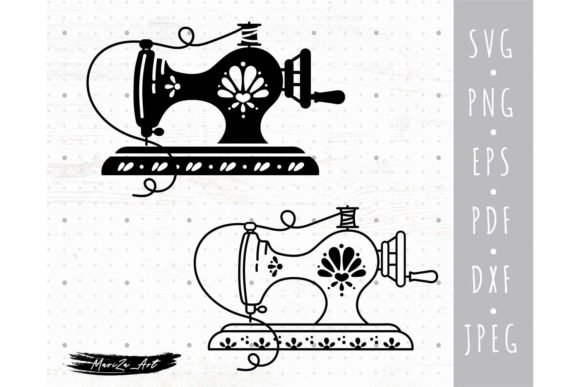
The immediate impression of the Sewing Machine Retro Style SVG Bundle is one of warmth and nostalgia. It captures the aesthetic of vintage craft rooms without feeling cluttered. For an embroidery designer, the visual personality of a design is often the deciding factor in whether it sells. This design feels approachable and friendly, making it perfect for projects that require a touch of personal charm rather than high-tech sleekness. It naturally belongs in the world of handmade products, where the story behind the item matters as much as the craftsmanship itself.
Real-World Application: From Screen to Stitch
Let me walk you through a specific scenario. Imagine you are preparing a custom embroidered tote bag for a local craft fair. You want something that appeals to sewing enthusiasts but looks professional enough to command a higher price point. You decide to use the Sewing Machine Retro Style SVG Bundle as the centerpiece of your design. Because the files are isolated graphic elements, you have the flexibility to position the machine exactly where you want it on the canvas bag.
When I stitched this design onto a sturdy cotton canvas, the results were impressive. The lines translated well into satin stitches, maintaining the retro curves of the machine body. However, if you plan to use this for custom apparel like a sweatshirt or a t-shirt, you must consider the scale. A 12-inch element is substantial. On a standard adult t-shirt, it might dominate the chest area, which could be intentional for a statement piece, but it requires careful placement. For smaller items like baby clothes or a hat, you would need to resize the vector carefully to ensure the details do not become muddy.
This bundle also shines when used for kitchen towels or aprons. The retro theme fits perfectly in a homey kitchen setting. I tested a mockup on a linen tea towel, and the contrast between the stitching and the fabric texture gave the item a boutique feel. Customers browsing Etsy listings often scroll past generic clipart, but a design with this level of character stands out. It suggests that the maker put thought into the design, which builds trust and increases the perceived value of the handmade product.
Where to Exercise Caution
While the design is versatile, it is not a universal solution for every project. There are specific situations where the Sewing Machine Retro Style SVG Bundle might struggle. If you are working with a small hoop size, such as those used for socks or delicate jewelry pouches, the detail level of the machine graphic may be too complex. Tiny features can get lost in the thread density, turning crisp lines into blobs of color.
Fabric choice is equally critical. On stretchy fabrics like jersey knit, the tension required for the fill stitches might cause puckering if the stabilizer is not chosen correctly. Similarly, on dark fabrics, the visibility of the design will depend entirely on your thread selection. If you choose light threads against a black background, the retro style might lose its definition. Always test the thread colors against the fabric before committing to a full run. Additionally, curved surfaces like baseball caps present a challenge; the flat nature of the vector needs to be mapped correctly to the curve of the cap, or the image may appear distorted.
Dense stitch areas are another consideration. If the design relies heavily on fill stitches to create the shape of the machine, you must ensure your machine can handle the density without breaking needles or causing the fabric to pucker. For embroidered patches, you would likely need to add a border or a specific edge treatment to prevent fraying, as the design itself does not include a built-in merrowed edge.
Design Notes for the Professional Designer
Before you upload this file to your digitizing software or send it to a production printer, there are several technical checks you should perform. First, always test the design on scrap fabric. This step is non-negotiable for any serious crafter or small business owner. It allows you to see how the stitch density interacts with your specific material and helps you adjust tension settings before ruining a customer's order.
You should also review the file formats provided. The bundle includes PNG, SVG, EPS-10, JPEG, PDF, and DXF files, which offers great versatility. However, verify the resolution of the raster images (PNG and JPEG) to ensure they are sharp enough for your intended output. If you are creating a printable mockup for your shop, low-resolution files will look unprofessional. Check whether the design works for both personal and commercial projects by reading the license terms included with the download. Many sellers make the mistake of assuming a personal license covers commercial sales, so confirm this explicitly.
Inspecting small details is vital. Zoom in on the vector paths to see if any anchor points are unnecessary or if lines are unintentionally overlapping. These minor issues can cause digitizing errors later. If you plan to use this for holiday embroidery or gift sets, consider how the design will look in black and white mockups. Sometimes a design looks great in color but fails to convey its structure when viewed monochromatically. Comparing light and dark fabric backgrounds during your testing phase will give you a clear idea of the final aesthetic.
Impact on Brand and Customer Perception
The right design asset can elevate a craft business from a hobby to a recognized brand. Using the Sewing Machine Retro Style SVG Bundle consistently across your product line—perhaps on tags, packaging, and the actual embroidery—creates a cohesive visual identity. It signals to buyers that you understand the history of sewing and appreciate the tools of the trade.
For an Etsy seller or a maker selling at craft fairs, the clarity of the design directly influences buyer engagement. A clean, well-executed embroidery project looks professional and invites repeat purchases. Conversely, a design that looks pixelated or poorly stitched can erode confidence in your quality. The retro style of this bundle adds a layer of authenticity that modern, geometric designs sometimes lack. It appeals to customers who value tradition and craftsmanship.
Ultimately, the success of using these graphics depends on your execution. The files themselves are excellent starting points, offering a strong foundation for commercial embroidery and personalized gifts. Whether you are creating a limited edition collection of pillow covers or mass-producing branded aprons for a local cafe, the Sewing Machine Retro Style SVG Bundle provides the visual language needed to tell a story. Just remember to respect the limitations of the medium, test thoroughly, and let the quality of your stitching speak for the design.