Skate Retro Skateboarding: A Designer's Stitch Test
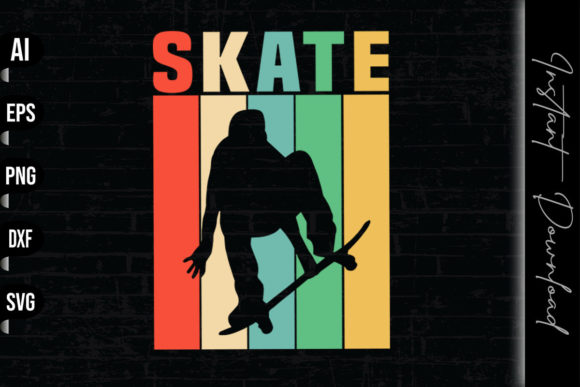
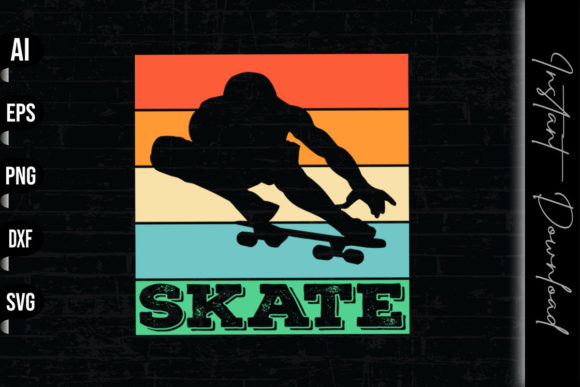
When I first opened the folder for Skate Retro Skateboarding, my initial reaction wasn't about the file format or the zip structure. It was about the vibe. As someone who spends hours evaluating digital assets before they ever touch a needle, I look for that specific spark that tells me this design will hold up under the pressure of real-world stitching. This piece carries a distinct retro energy, evoking the gritty, nostalgic feel of 80s and 90s skate culture. It isn't just a graphic; it is a mood board brought to life, ready to be translated into thread.
The visual personality of Skate Retro Skateboarding is bold yet approachable. The layout suggests a design that loves space, which is crucial for embroidery where negative space often dictates the quality of the final stitch. Unlike many trendy graphics that cram every pixel with detail, this one breathes. It feels like the kind of artwork you would see on a faded vintage tee hanging in a boutique in Portland or a well-worn sticker on a laptop at a coffee shop. That authenticity is what makes it compelling for designers looking to create products that feel lived-in rather than mass-produced.
From Screen to Stitch: Real-World Application
I recently put this design to the test while preparing a custom order for a local youth center. They needed embroidered patches for their skateboard team, but they also wanted matching tote bags for parents and staff. This is where the true character of Skate Retro Skateboarding shines. In a digital mockup, it looks crisp, but in an embroidery project, the texture changes everything.
For the patches, I selected a durable twill fabric. The retro theme of the design paired perfectly with the rugged texture of the material. The lines held their shape beautifully, creating a sharp, defined look that didn't lose detail even after multiple washes. However, the real challenge came with the tote bags. Tote bags are notorious for shifting during the stitching process, especially on canvas or heavy cotton blends. Because Skate Retro Skateboarding has a balanced composition, it remained stable when anchored properly with stabilizer. The result was a finished product that looked professional enough to sell in a high-end craft fair booth.
This versatility extends beyond patches and bags. Imagine this design on a baby onesie for a future skater. The soft curves and playful aesthetic translate wonderfully to baby embroidery, turning a simple gift into a personalized keepsake. Or consider a holiday gift scenario: a customized sweatshirt featuring this motif could be a hit for a family reunion or a corporate event for a creative agency. The design acts as a bridge between the cool factor of streetwear and the warmth of handmade craftsmanship.
Navigating Fabric and Hoop Constraints
While Skate Retro Skateboarding is robust, no machine embroidery design is without its limitations. My experience suggests that caution is required when working with certain materials. If you are planning to use this on a stretchy fabric like a jersey knit t-shirt, you must be meticulous with your stabilizer choices. The tension of the stitches can cause the fabric to pucker if not supported correctly, which would ruin the clean lines of the retro aesthetic.
Small hoop sizes present another hurdle. If the design contains intricate lettering or tiny decorative accents, shrinking it down to fit a small cap or a delicate baby bib might result in lost details. When I tested a scaled-down version, some of the finer points of the graphic began to merge together, reducing the clarity. Therefore, for items like caps or aprons, ensure the design is sized appropriately to maintain its visual impact. Dense stitch areas should also be monitored; while the design is generally open, pushing the stitch density too high on a dark fabric can make the garment stiff and uncomfortable.
Texture plays a significant role in how the colors appear. On a textured fabric like a fleece hoodie, the thread might not lay as flat as it does on smooth cotton. This can actually add to the vintage charm, giving the Skate Retro Skateboarding design a slightly worn look that fits the theme perfectly. However, on thin fabrics, the weight of the thread might show through, creating an unsightly shadow. Always test on scrap fabric first to gauge how the thread interacts with your specific material choice.
Design Judgment and Professional Polish
In the world of Etsy sellers and small business owners, the difference between a hobbyist project and a commercial product often comes down to presentation. Skate Retro Skateboarding elevates the perceived value of a finished product. When a customer sees a well-executed embroidery job, they trust the brand more. The retro style signals a connection to a subculture that values authenticity, which resonates deeply with buyers looking for unique, handmade items.
Visual appeal is not just about the image; it is about how the light hits the thread. Satin stitch areas need to catch the eye without looking shiny or cheap. Fill stitches should cover the background completely without leaving gaps. For Skate Retro Skateboarding, the balance between these elements seems well-calculated. It allows for creative freedom in thread selection, whether you want to stick to classic black and white for a monochrome look or go bold with neon greens and deep reds to capture the retro spirit.
However, achieving this level of polish requires preparation. Before committing to a full production run, I always recommend checking the design in black and white mockups. This helps identify any potential issues with contrast that might not be obvious in color. It also ensures that the design remains legible regardless of the thread color chosen. Furthermore, reviewing the stitch density is essential. Too much density can lead to puckering, while too little can leave the fabric visible in unwanted ways.
Practical Notes for the Creative Entrepreneur
As you integrate Skate Retro Skateboarding into your workflow, remember that the success of your project depends on the details you control. Confirming the license terms is non-negotiable if you plan to sell finished items or offer the digital file itself. Many creators overlook this step, leading to legal headaches down the line. Ensure you have the right permissions for commercial embroidery projects.
Thread color contrast is another critical factor. A design that pops on a screen might disappear on a dark background if the wrong thread is used. Test your color combinations against the actual fabric you intend to use. Also, inspect small details closely. Running stitch elements, if present, should be long enough to prevent breakage but short enough to maintain the integrity of the shape.
Finally, think about the end user. Whether it is a personalized gift for a friend or a boutique product for a store, the durability matters. Products that require frequent washing need designs that can withstand friction and agitation. By choosing a design like Skate Retro Skateboarding and applying proper techniques, you ensure that the item remains a favorite long after the initial excitement fades.
Ultimately, this design asset offers a fantastic opportunity for makers and decorators to create something with soul. It bridges the gap between digital convenience and tangible artistry, allowing you to produce high-quality goods that tell a story. With careful planning and attention to the nuances of embroidery, Skate Retro Skateboarding can become a staple in your collection of print templates and graphics.