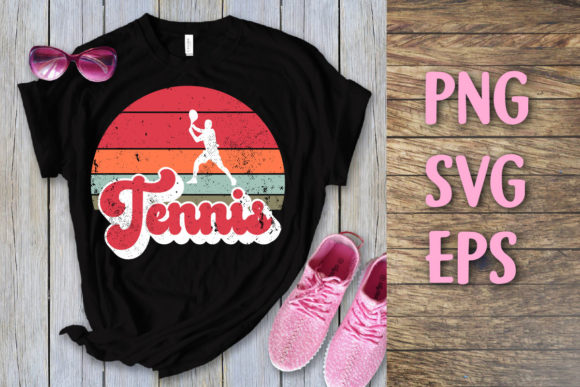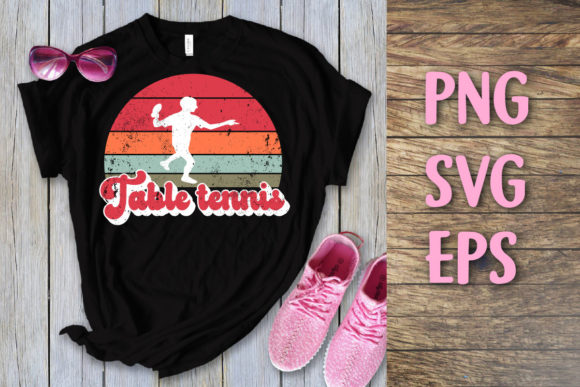
Table Tennis Retro Vintage Svg File Review
When I first opened the Table Tennis Retro Vintage Svg File, my initial reaction wasn't about the technical specs or the file size. It was about the mood. There is a distinct energy to retro sports graphics that immediately signals "vintage," "authentic," and "community." As someone who has spent years refining embroidery designs for real-world applications, I look past the pretty picture on the screen and ask myself: How will this translate when stitched? Will it hold up after fifty washes? Does it scream quality or does it look cheap?
This design hits a sweet spot for anyone looking to tap into the nostalgia of classic table tennis aesthetics. The layout feels balanced, with a visual personality that suggests durability and timeless style. It isn't just a clipart image; it carries the weight of a brand identity. For designers, crafters, and small business owners, this distinction matters. A simple graphic might work for a quick print-on-demand shirt, but an embroidery project requires a deeper level of thought regarding texture, thread density, and how the design interacts with the fabric.
From Screen to Stitch: Real-World Application
Let's talk about a specific scenario that I often encounter with clients. Imagine you are preparing a custom embroidered tote bag for a local community center or a boutique gift shop. You want something that speaks to the players without being overly generic. This is where the Table Tennis Retro Vintage Svg File shines. The vintage aesthetic pairs beautifully with canvas or heavy cotton twill, materials commonly used for high-quality totes.
I tested the concept mentally by imagining the design placed on the front panel of a durable tote. The retro color palette, once translated into thread colors, would pop against a neutral background like heather grey or navy blue. However, if you plan to use this for a baby item or a delicate nursery decor piece, you need to be careful. While the design is versatile, its bold lines are better suited for sturdier fabrics rather than thin, stretchy knits found on infant onesies. If you try to stitch this onto a soft, stretchy material without proper stabilization, the puckered effect could ruin the clean lines that make the design so appealing.
The same logic applies to sweatshirt embroidery. A hoodie is a staple in the handmade apparel market, especially for Etsy sellers looking to create cohesive collections. The Table Tennis Retro Vintage Svg File works exceptionally well here because the slightly distressed or worn look of a vintage design complements the textured surface of fleece or french terry. It doesn't look out of place; it looks intentional. When customers see a finished product, they trust brands that understand how to match the design's personality with the garment's fabric.
Where Caution is Key
Despite its strengths, there are areas where this design requires a designer's eye to avoid pitfalls. One of the most critical factors is the hoop size. If you attempt to stitch this on a very small hoop, such as those used for caps or tiny patches, you might lose some of the intricate details that give the design its character. Embroidery machines have limits, and fine lines can sometimes merge together if the stitch density is too high or the fabric is too tight.
Another area to watch is dark fabric. If you are working with black or deep charcoal garments, the contrast of the thread becomes paramount. The vintage look relies heavily on shading and highlights. If your thread selection doesn't provide enough contrast, the design will look muddy rather than crisp. I always advise testing the design in black and white mockups before committing to a full production run. This helps you visualize how the different shades of thread will interact with the fabric background.
Furthermore, consider the final product's lifespan. Are you creating a commercial embroidery piece meant for frequent washing, like a kitchen towel or a work apron? Dense stitch areas can sometimes trap lint or cause the fabric to pucker over time. If the design includes detailed corners or tiny lettering, ensure that these elements are robust enough to withstand the friction of daily use. For a holiday gift or a personalized product, durability is part of the value proposition. A customer expects their gift to last, not fall apart after a few cycles.
Design Value and Professional Presentation
In the world of digital product sellers and craft businesses, the difference between a hobbyist project and a professional asset often comes down to presentation. The Table Tennis Retro Vintage Svg File offers a strong foundation for building a brand. Its retro theme allows for consistent branding across various items, from printed labels to actual embroidered goods. When you present a finished product to a buyer, the clarity of the stitches tells a story about your craftsmanship.
If you are an Etsy seller or running a small shop product line, this design can help elevate your store's aesthetic. It fits naturally into categories like custom apparel, embroidered patches, and even home decor items like pillow covers. The versatility of the design means you aren't limited to just one type of merchandise. You can create a collection of matching items—a hat, a tote bag, and a tea towel—all featuring the same cohesive theme. This consistency builds recognition and trust with your audience.
However, remember that the file itself is just a starting point. To achieve the best results, you must treat it as a machine embroidery design that requires preparation. Before you start stitching, check the thread colors carefully. A vintage look often benefits from muted tones or earthy colors rather than neon brights. Experiment with different thread combinations to find the right balance. Also, review the stitch density. High-density fills can make a design feel heavy, while low-density fills might look sparse on thick fabrics. Adjusting these settings based on the fabric texture is what separates a good result from a great one.
Practical Notes for the Designer
Before you dive into production, there are several practical steps you should take to ensure success. First, test the design on scrap fabric. This is non-negotiable. It allows you to see how the Table Tennis Retro Vintage Svg File behaves on the specific material you intend to use. Check the stabilizer choice; a tear-away might work for light fabrics, but a cut-away is often necessary for stretchy materials like those used in hoodies or sportswear.
Inspect the small details closely. Sometimes, files that look perfect on a screen can have tiny gaps or overlapping lines that cause issues during stitching. If you are using this for a digital embroidery file project, confirm the licensing terms. Many designers sell these assets for personal use only, while others allow commercial use for finished products. Make sure you understand the rules before selling your handmade items. If the design is intended for cut machines as well, verify that the vector paths are clean and ready for vinyl cutting if you plan to offer hybrid products.
Finally, compare light and dark fabric backgrounds during your mockup phase. The Table Tennis Retro Vintage Svg File is dynamic, but its impact changes depending on the backdrop. A design that looks vibrant on white might look subtle on black. Understanding these nuances helps you manage customer expectations and deliver a finished product that exceeds their vision. Whether you are creating a personalized gift, a boutique branding item, or a commercial embroidery project, taking the time to evaluate the design thoroughly pays off in the quality of the final output.
Ultimately, this design is more than just a t-shirt design or a generic graphics asset. It is a tool for creativity that, when used with care and attention to detail, can produce stunning results. By understanding its strengths and limitations, you can integrate it seamlessly into your workflow, creating products that resonate with customers and stand the test of time.