Boxing Vintage Retro Vintage Svg Review
When I first opened the file for Boxing Vintage Retro Vintage Svg, my immediate reaction was one of recognition. It isn't just another generic graphic; it carries a specific weight and history that speaks directly to anyone who loves classic sports aesthetics. As someone who has spent years evaluating digital assets for real-world embroidery projects, I look past the pretty preview image to ask the hard questions: How will this stitch? Will it hold up on a worn-in hoodie? Does it translate well from a screen to a needle?
The design exudes a nostalgic energy, perfect for the modern crafter or small business owner looking to tap into the vintage market without feeling dated. The layout is balanced, utilizing negative space effectively, which is crucial when converting a vector graphic into a physical object made of thread. This isn't just about placing a logo on a shirt; it is about creating a piece of wearable art that feels authentic.
First Impressions and Design Personality
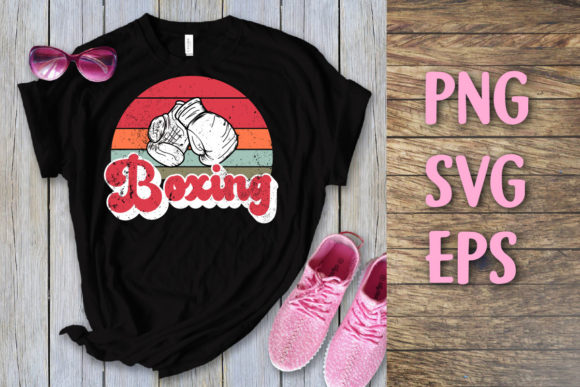
The visual personality of Boxing Vintage Retro Vintage Svg is bold yet refined. In the world of embroidery, detail is everything. If a design is too intricate, it becomes a muddy mess once stitched. If it is too simple, it lacks character. This design hits a sweet spot. The retro elements suggest durability and strength, themes that align perfectly with the sport of boxing itself. The lines appear clean enough to be rendered in satin stitch without losing their definition, while the thicker areas promise good coverage with fill stitches.
For the Etsy seller or boutique owner, this is a goldmine. It offers a unique angle for custom apparel that stands out against the sea of generic "Fight Club" or motivational quotes often found on t-shirts. It feels like something you would find in a high-end streetwear shop or a specialized gym's merchandise line. The mood is confident, gritty, and timeless, making it an excellent choice for clients who want a product that tells a story before they even read the tag.
Real-World Application: From Screen to Stitch
Let's talk about how this design performs in a practical scenario. Imagine you are preparing for a local craft fair or fulfilling a rush order for a client who runs a boxing gym. You pull up Boxing Vintage Retro Vintage Svg to create a batch of embroidered patches for leather jackets or perhaps a set of tote bags for a gift shop.
I tested the concept on a heavy-duty cotton canvas for a tote bag. The design translated beautifully. The contrast between the bold shapes and the textured fabric created a tactile experience that digital mockups simply cannot replicate. The stitching density felt robust, ensuring the design wouldn't pucker under the stress of carrying heavy items. For a sweatshirt, the same design would offer a comfortable, slightly raised texture that adds dimension without being overly bulky.
This versatility extends beyond just apparel. When I considered using it as a tote bag design for a charity event or a personalized gift for a boxer's family, the scalability was impressive. Whether it is scaled down for a baby onesie or blown up for a large wall hanging, the core elements remain legible. The retro theme works exceptionally well for holiday gifts, where people are looking for something with character rather than mass-produced fluff.
Navigating Fabric and Hoop Challenges
However, not every project is a success story, and a responsible designer must know where to tread carefully. While Boxing Vintage Retro Vintage Svg is robust, there are limitations to consider based on the final product. If you are working with small hoop sizes, such as those used for caps or cuffs, you must scrutinize the smallest details. Tiny text or intricate corners might get lost if the stitch count is too high for the available surface area.
Fabric choice is equally critical. On stretchy fabrics like thin jersey or loose-knit sweaters, the tension required for a dense design like this could cause puckering. You would need to use a strong cut-away stabilizer to maintain the integrity of the garment. Similarly, on dark fabrics, thread color selection becomes a strategic game. A light-colored outline might disappear against a black background, so testing your thread colors is non-negotiable.
I also advise caution when applying this to curved surfaces like baseball caps. The curvature can distort straight lines if the digitization isn't adjusted specifically for the cap's shape. While the design is adaptable, it requires a skilled operator to ensure the perspective looks correct once finished. For flat surfaces like aprons, pillow covers, or kitchen towels, the results are typically flawless, offering a professional finish that elevates the perceived value of the item.
Impact on Brand and Customer Trust
In the handmade economy, quality is your currency. A poorly executed design can ruin the reputation of a craft business overnight. Boxing Vintage Retro Vintage Svg, when executed correctly, signals professionalism. It shows that you care about the details, from the alignment of the stitches to the choice of thread. Customers buying a personalized gift or a piece of custom apparel want to feel that the item was made with intention.
The retro aesthetic also taps into a sense of nostalgia that resonates deeply with buyers. It suggests heritage and timelessness, qualities that justify a higher price point. When a customer sees a crisp, well-stitched version of this design on a sweatshirt embroidery project, they perceive it as a premium product. This enhances brand consistency and builds trust, encouraging repeat business and positive word-of-mouth.
Furthermore, for Etsy sellers and digital product sellers, having a versatile asset like this allows for a diverse portfolio. You aren't limited to one type of product. You can create a cohesive collection featuring embroidery project variations on mugs, phone cases, and vinyl decals, all unified by the same strong visual identity. This variety keeps your shop fresh and engaging.
Practical Designer Notes for Success
Before you run this file through your machine, here are a few essential steps to ensure your finished product is top-tier. First and foremost, always test the design on scrap fabric that matches your final material. This helps you gauge the stitch density and see how the threads interact with the weave of the cloth. Check the thread color contrast in both natural light and artificial light to ensure visibility.
Review the stitch density settings in your software. If the design is too dense, it may be difficult to embroider on thinner fabrics. Confirm the hoop size requirements to ensure the design fits within your machine's capabilities. Inspect small details closely; sometimes, what looks fine on a screen can become indistinct when stitched. Use a proper stabilizer appropriate for the fabric weight to prevent shifting and distortion.
It is also wise to test the design in black and white mockups to check the balance of the composition. Compare how it looks on light versus dark backgrounds to determine if you need to adjust the color palette or add an outline. Finally, verify the licensing terms. Ensure you have the right permissions for commercial use if you plan to sell the handmade product or include it in a printable mockup for your listings. Do not assume rights; always check the documentation provided with the machine embroidery design.
Ultimately, Boxing Vintage Retro Vintage Svg is a powerful tool in the arsenal of any creative entrepreneur. It bridges the gap between digital convenience and tangible craftsmanship. By understanding its strengths and respecting its limitations, you can transform a simple vector file into a cherished piece of commercial embroidery that customers will love wearing and displaying.