Hiker Vintage Retro Art Svg: A Designer's Stitch Test
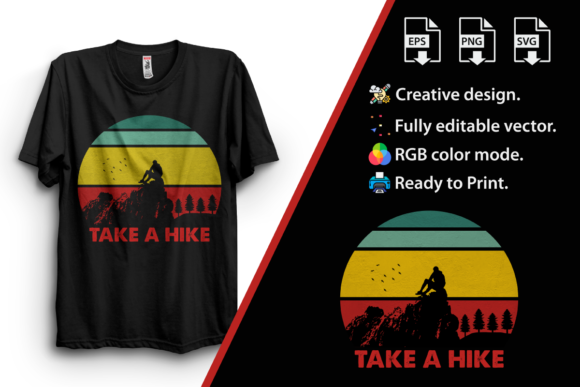
When I first opened the file for Hiker Vintage Retro Art Svg, I didn't just see a clip art image; I saw a potential bestseller. As someone who has spent years evaluating digital assets for real-world embroidery projects, my first reaction is always about texture and mood. This design immediately evokes a sense of nostalgia and rugged adventure. The retro aesthetic isn't just a style choice; it feels authentic, like a faded patch from a 1970s national park jacket.
For any creative entrepreneur or Etsy seller looking to expand their catalog, this graphic offers a unique opportunity. It moves beyond generic nature scenes into a specific subculture that loves the outdoors but appreciates vintage charm. However, translating a flat vector image into a tactile embroidery project requires more than just hitting the "stitch" button. It demands a strategic approach to thread selection, stabilizer choice, and placement. In this review, I am breaking down exactly how this design performs when moved from the screen to the hoop.
From Screen to Fabric: The Real-World Scenario
Let me walk you through a practical scenario where I tested this design. Imagine a small boutique owner preparing for the upcoming hiking season. They want to create a line of custom embroidered tote bags for local trail guides and outdoor enthusiasts. The goal is to produce a product that looks professional enough to command a higher price point but retains that handmade, artisanal feel.
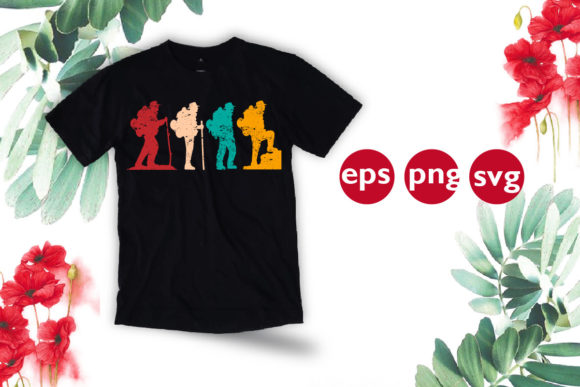
I took the Hiker Vintage Retro Art Svg and set up a mockup on a heavy-duty canvas tote. The initial visual appeal was strong. The silhouette of the hiker with the backpack creates a clear focal point. But as an experienced designer, I had to ask myself: will this hold up after twenty washes? Will the details get lost in the weave of the fabric?
The design naturally belongs on sturdy materials. When stitched onto a thick cotton canvas or a denim sweatshirt, the vintage lines pop against the textured background. It transforms a simple tote bag into a statement piece. Customers browsing a craft fair booth would likely stop to touch the raised stitches, associating the quality of the workmanship with the reliability of the brand. That tactile connection is what drives sales in the handmade market.
Stitch Density and Detail Challenges
While the mood is perfect, we must address the technical realities of digitizing or using this embroidery file. The prompt mentions it is suitable for cut machines and iron-on transfers, which implies it might be a raster or vector graphic rather than a native machine embroidery format. If you are converting this for machine embroidery design, the level of detail becomes critical.
Older retro styles often rely on fine lines to convey shading and depth. In embroidery, these can easily disappear if the stitch density is too low or if the thread color contrast is poor. I recommend avoiding tiny running stitches for the intricate parts of the hiker's gear. Instead, focus on using a combination of satin stitch for outlines and fill stitch for larger areas like the backpack or hat. This adds dimension and ensures the design remains legible even on smaller items like baby onesies or caps.
If you plan to use this for commercial embroidery, you need to be careful with the scale. Attempting to shrink this design down for a child's bib might result in muddy stitching where the details blend together. For products that require frequent washing, like kitchen towels or aprons, a denser stitch pattern is essential to prevent fraying. Always test the design on scrap fabric first to ensure the thread tension holds up under stress.
Where to Use and Where to Pause
This design is versatile, but it is not a one-size-fits-all solution. There are specific scenarios where Hiker Vintage Retro Art Svg shines, and others where it might struggle.
- Best Suited For: Heavyweight fabrics like canvas, denim, and fleece. It works beautifully on tote bags, sweatshirts, and pillow covers. The rustic vibe pairs perfectly with earthy thread colors like olive green, burnt orange, and navy blue.
- Use With Caution: Small hoop sizes and curved surfaces like baseball caps. On a cap, the curve can distort the perspective of the hiker, making them look stretched. If you must use it there, adjust the digitization to compensate for the curvature.
- Avoid: Thin, stretchy fabrics without proper stabilizer. If you try to embroider this directly onto a thin t-shirt without a tear-away stabilizer, the puckering will ruin the vintage aesthetic. Also, be wary of dark fabrics unless you have a high-quality underlay or light-colored thread options available.
Impact on Brand and Product Value
In the world of Etsy sellers and small shop products, the perceived value of your item is often tied to the quality of the design. A well-executed embroidered patch featuring this hiker motif signals attention to detail. It suggests that the maker cares about the craft, which builds customer trust.
When customers receive a personalized gift with a clean, crisp stitch job, they are more likely to share it on social media. This organic marketing is invaluable for craft business owners. The retro theme also has broad appeal, crossing over from hikers to general lovers of vintage decor. This versatility makes it a safer bet for inventory compared to niche designs that only appeal to a tiny subset of buyers.
However, if the design is poorly executed, it can damage your reputation. Blurry edges or loose threads make a handmade product look cheap, regardless of the material used. Therefore, checking the stitch density and ensuring the thread colors complement the fabric is non-negotiable. Before listing a finished product, inspect it closely for any skipped stitches or thread breaks that could detract from the overall presentation.
Practical Notes for the Embroidery Designer
Before you start mass-producing items with Hiker Vintage Retro Art Svg, keep these practical tips in mind to ensure success:
- Verify File Formats: The description mentions cut machines and printable decoration. Ensure you have the correct digital embroidery file format (like .DST or .PES) for your specific machine. Do not assume a vector file will stitch correctly without conversion.
- Test Color Contrast: Run a black and white mockup of the design to check the balance of light and dark areas. This helps you visualize how the stitches will interact with different fabric backgrounds.
- Licensing Check: Confirm whether the license allows for commercial use. Selling finished items made from this design is common, but some licenses restrict this. Always read the terms before selling at craft fairs or online.
- Stabilizer Selection: Use the right stabilizer for the fabric weight. For heavy canvas, a cut-away stabilizer provides long-term stability. For lighter knits, a tear-away might suffice, but test it first.
- Hoop Size Matters: Make sure the design fits within your standard hoop size. If the design is large, you may need to re-digitize it or use a multi-needle machine to avoid excessive hooping and repositioning.
Final Thoughts on Design Assets
The Hiker Vintage Retro Art Svg is more than just a pretty picture; it is a functional tool for creators who understand the nuances of textile design. Whether you are creating a tote bag design for a local event or adding a custom touch to a holiday gift, this asset has the potential to elevate your work. Its retro charm resonates with a wide audience, and its structure lends itself well to various embroidery techniques.
By paying attention to the details—choosing the right threads, stabilizers, and fabrics—you can turn this digital graphic into a stunning finished product that stands out in a crowded marketplace. Remember, the difference between a good design and a great one often lies in the execution. Take the time to test, refine, and perfect your process, and you will find that this hiker motif brings both style and substance to your collection.