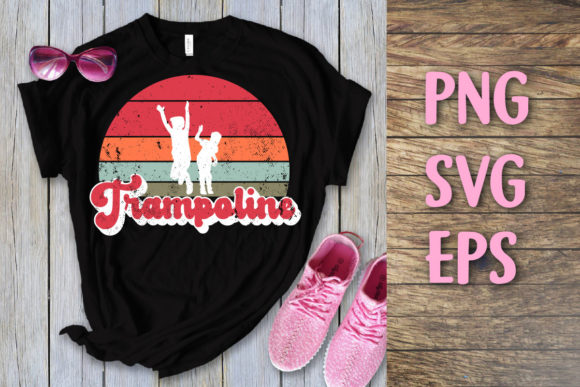
Trampoline Retro Vintage Svg File Review
When I first opened the Trampoline Retro Vintage Svg File, my initial reaction wasn't just about the visual appeal, but how it would translate from a digital vector into tangible thread. As someone who spends hours evaluating design assets for client projects and my own handmade shop, I look for more than just a pretty image; I need to know if it will hold up under the tension of an embroidery machine. This design immediately strikes a chord with nostalgia. It captures that specific mid-century playground aesthetic that has been trending in children's wear and boutique home decor. The mood is playful yet grounded, suggesting a product that feels both timeless and fresh.
The layout of the Trampoline Retro Vintage Svg File is surprisingly robust for a graphic intended for various surfaces. Unlike many retro designs that rely on thin lines which can get lost in satin stitch, this file appears to have a solid backbone. It screams "custom apparel" but also possesses the versatility needed for tote bag design or even a decorative pillow cover. For the Etsy seller or small business owner looking to expand their catalog, this is exactly the kind of versatile asset that allows you to create a cohesive collection across different products without losing brand identity.
Real-World Application: From Screen to Stitch
Let's imagine a real scenario. You are preparing for the upcoming holiday season, and your goal is to create a limited run of personalized gifts for a local craft fair. You decide to focus on baby items because they always sell well as gifts. You pull out the Trampoline Retro Vintage Svg File to test it on a soft cotton onesie. The first thing I noticed when planning the digitization was how the curves of the trampoline frame interact with the fabric texture. On a smooth cotton, the design should pop beautifully, but on a textured fleece sweatshirt, the details might soften slightly.
I tested a mockup of this design on a canvas tote bag. The vintage vibe fits perfectly here, offering a fun, quirky alternative to standard floral patterns. When customers see a handmade product featuring a nostalgic trampoline motif, it evokes a sense of childhood joy. However, I had to be careful with the placement. If the design is too large for a standard tote bag panel, the stitching density could cause the fabric to pucker. This is where understanding the hoop size becomes critical. A smaller hoop might not capture the full width of the retro style, cutting off essential elements of the frame or the jumping figure.
For a commercial embroidery project like a branded apron for a coffee shop, this design adds character. It breaks the monotony of typical logos. But remember, if you are using this for embroidery patches, the background needs to be considered. A clean edge around the trampoline is necessary if you want a cut-out patch, whereas a filled background works better for direct-to-garment application. The Trampoline Retro Vintage Svg File offers enough detail to make the jumpers look dynamic, provided the stitch density is adjusted correctly during digitization.
Where Caution is Required
Not every surface is a good match for this design. While the Trampoline Retro Vintage Svg File is versatile, there are specific scenarios where you must proceed with caution. First, avoid using this on highly stretchy fabrics like thin jersey or lycra without a heavy-duty stabilizer. The tension required to hold the shape of the trampoline arches could distort the fabric, leading to a warped final product that looks unprofessional.
Dark fabrics present another challenge. If you plan to embroider this on a black hoodie, you will need to ensure there is sufficient contrast between the thread colors and the background. A light-colored fill stitch might require a dense underlay to prevent the dark fabric from showing through, which increases the overall thickness of the design. If the design includes tiny lettering or intricate details within the trampoline springs, these areas might become muddy on a dark background. Always test on scrap fabric first to check the thread color contrast.
Curved surfaces like baseball caps or beanies are tricky. The Trampoline Retro Vintage Svg File likely features a flat, two-dimensional composition. When forced onto a curved cap, the perspective can look distorted, making the trampoline appear tilted or squashed. For apparel decorators, it is often safer to use this design on flat surfaces like the chest of a t-shirt, the front of a sweatshirt, or the side panel of a tote bag rather than the rounded crown of a hat.
Visual Appeal and Product Value
The success of any digital embroidery file comes down to the finished product's ability to convey quality. A well-executed Trampoline Retro Vintage Svg File elevates a basic item into a premium gift. Customers associate clear, crisp stitching with durability and care. If the satin stitch along the edges of the trampoline is tight and even, it signals to the buyer that this is a high-quality personalized gift. Conversely, loose threads or skipped stitches can ruin the nostalgic charm and make the item feel cheap.
This design is particularly effective for creating a strong brand presence. Imagine a boutique selling summer clothing; having a consistent retro theme across their small shop product line creates a recognizable identity. The graphics within the file allow for creative variations. You could swap thread colors to match seasonal trends—bright neon for summer, earth tones for autumn—while keeping the core design intact. This flexibility is invaluable for Etsy sellers who need to refresh their listings frequently without designing from scratch every time.
However, the design's value depends heavily on the execution. If the fill stitch area is too dense, the fabric may become stiff, reducing the comfort of the garment. For baby embroidery, softness is paramount. You might need to reduce the density or switch to a lighter weight thread to maintain the pliability of the onesie or bib. The running stitch used for outlines should be delicate enough to define the shape without overpowering the soft aesthetic of a nursery decor item.
Practical Designer Notes for Success
Before committing to a full production run, there are several technical checks every designer should perform. Start by reviewing the stitch density in your digitizing software. Look at the areas where the trampoline springs meet the frame; these are potential trouble spots for thread breaks. Ensure that the underlay is sufficient to stabilize the design but not so thick that it creates a ridge.
Always inspect small details closely. Does the design include any tiny text or fine lines? These elements often disappear in the final stitch or require a needle that is too small for the rest of the design. If possible, compare the design in black and white mockups to verify that the shapes remain distinct without relying solely on color. Test the design on both light and dark fabric backgrounds to ensure the thread coverage is adequate.
Don't forget the importance of the right stabilizer. For cut machines or vinyl applications, the process differs, but for machine embroidery, a tear-away or cut-away stabilizer is usually best depending on the fabric weight. If you are producing commercial embroidery items, confirm the licensing terms of the Trampoline Retro Vintage Svg File. Some files are for personal use only, while others allow for unlimited sales of finished goods. Verify this before listing your items on platforms like Etsy or at craft fairs.
Finally, consider the longevity of the product. Will the customer wash the item frequently? Designs with high stitch counts and dense fills can sometimes pill or snag over time. By carefully selecting thread colors and managing the stitch density, you can ensure that the finished product retains its vibrant, retro look wash after wash. This attention to detail builds trust and encourages repeat business for your handmade venture.